This post is contributed by Causing Dela Cruz Law Office, a family and marital law practitioner based in Iloilo City.
Your trusted Law Firm in Iloilo City
This post is contributed by Causing Dela Cruz Law Office, a family and marital law practitioner based in Iloilo City.
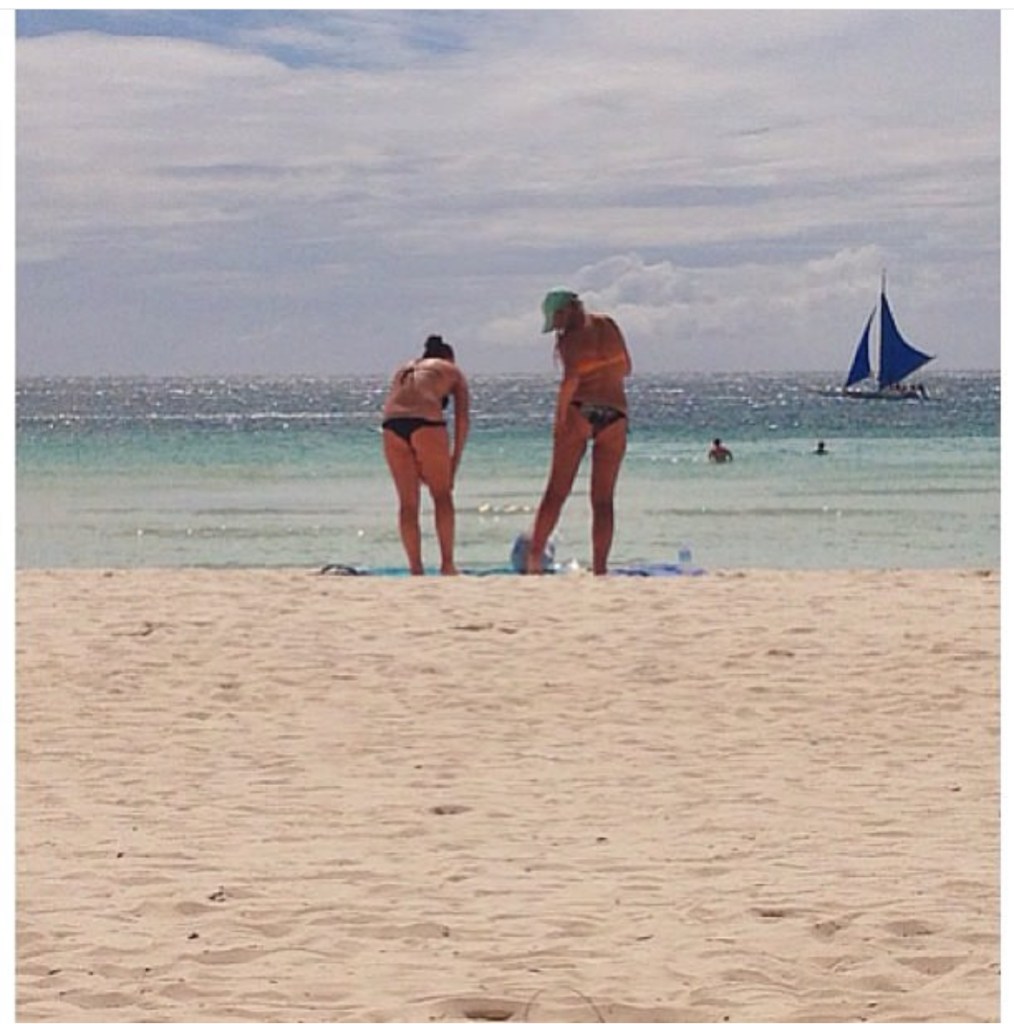
In 2023, Travel+Leisure website has named Boracay Island in the Philippines as “10th out of 25 islands around the world for 2023” with a score of 92.94. This is due to the island’s innate beauty which never failed to captivate tourists from all over the world since it was discovered by European backers in the late 70s.
From a lay-back beach escapade to a vibrant tourism hub that attracts tourists from all over the world, Boracay island has become a magnet for real estate investors. There are now various real estate developments in the island which includes world-class hotels and resorts. There are also several condominium and townhouse units for those who want to make the island a regular holiday destination.
Whether it is the acquisition of hotels and resorts, condominium or apartment units, or commercial or residential lots, investors have to be reminded of the following considerations about buying real estate in the Philippines:
In addition, real estate investors should be aware of following issues that are peculiar to Boracay island:
It is also emphasized that under the Section 29 of Republic Act 9646 otherwise known as the “Real Estate Service Act of the Philippines” only licensed real estate brokers can practice or offer to practice real estate service in the Philippines or offer himself/herself as real estate service practitioner, or use the title, word, letter, figure or any sign tending to convey the impression that one is a real estate service practitioner, or advertise or indicate in any manner whatsoever that one is qualifed to practice the profession, or be appointed as real property appraiser or assessor.
For any legal information on buying real estate in Boracay island or any other areas in the Philippines, especially beach front properties, send us your legal inquiry via our e-mail attybaciii@gmail.com.
A lot of foreigners are attracted in buying beach front properties in the Philippines. For a price as low as Php 2,500 (US$ 50.00) per square meter, these properties are just so tempting to resist. Most especially if the property is located near a popular tourist destinations like Boracay island (Aklan), El Nido (Palawan) or Panglao (Bohol).
There will be locals who will be offering beachfront properties and present a bunch of documents to prove their ownership or authority to sell (if they are not the registered owners). Caution should be exercised as there are several fraudulent transactions that were uncovered and have succeeded to dupe foreigners of their hard-earned money.
The wise thing to do is to check all documents that are presented as ownership of the property. These are usually the land title of the property, its tax declaration (if there is a house or building already existing in the property, a separate tax declaration is usually issued for it), tax clearance (showing that all real property taxes due the property are paid) and evidence of identity of the seller (like a government-issued identification card). Take note that even if the person offering the property for sale can produce all of these documents, it does not mean that these documents can be trusted. The buyer has to verify the same by asking for a certified true copy from the government agency or office which has custody of the original document. For example, the Register of Deeds of a particular province has custody of all torrens title of lands located therein.
Even with the verification of any documents presented by the person offering to sell the property, the legality of the sale transaction, the transfer and registration of the property in the the name of the buyer should be ensured. This is because most of the properties sold are usually inherited or co-owned. The person offering the property for sale could be just a co-owner or in some cases an agent or broker of the registered owner.
Just recently, sale transactions of untitled properties (those which are not registered with the torrens system and only covered by tax declarations) have become riskier. This is because some locals have offered for sale properties which are part of forest land or the protective buffer zone (in case of beachfront properties). Under Philippine real estate law, land classified as forest land cannot be subject of a valid sale. On the other hand, properties within the protective buffer zone may be considered part of the unalienable shore land of the government. In addition, buildings are not allowed at the protective buffer zone.
Real estate buyers especially foreigners should make sure that the property they are eyeing should be legally registered and not actually considered as public land.